Web Design

Bespoke web design that earns its keep.

Everything in my web design services starts with your customers and the one thing you want them to do; then the site is built to be fast, found and easy to run.

Designed around a job, not a template.

Every website I design starts with what the business needs it to do.

A website has one job: to turn the right visitor into an enquiry, a booking or a sale. So the design starts there, with your customers, the questions they arrive with and the action you want them to take, and works back to the pages, the structure and finally the look.

That is the difference between web design and decorating a template. Templates start with a layout and squeeze your business into it. Bespoke web design starts with your business and builds the layout it needs, whether that is three pages for a café in Dartmouth or forty for a school.

See how that plays out in real projects

What you get.

A complete website, not a design file and a list of things to sort out later.

  • Discovery and page planA conversation about your goals, then a sitemap and keyword map with one clear topic per page.
  • WireframesThe structure and journey of every page agreed before any visual design, so changes are cheap.
  • Visual design on real copyYour brand, your words, your photographs, designed for phone and desktop and reviewed on both.
  • Mobile-first buildHand-coded, or built on WordPress, with a performance budget from the first line.
  • SEO foundationsTitles, descriptions, headings, internal links, structured data, sitemap and redirects, all in place at launch.
  • Forms and measurementEnquiry forms that reach your inbox, and analytics set up so you can see what the site is doing.
  • AccessibilityReadable contrast, keyboard navigation and screen-reader support, built in rather than bolted on.
  • TestingChecked on real phones, tablets and browsers, with the speed scores to prove it.
  • Launch and handoverA checklist launch, then a walkthrough so you can edit what you need to and know where everything is.

How it works.

Five stages, each with a clear output, so you always know what is happening and what comes next.

Structure before style.

Most web design goes wrong before anyone opens a design tool, because nobody agreed what each page was for. I plan the site as a set of topics first: what each page needs to say, what people search for to find it and what it should ask them to do.

  • Sitemap and keyword map agreed with you
  • Content list: what you supply, what I write
  • User journeys from first visit to enquiry

Designed on your content, reviewed on real screens.

Wireframes come first, then the visual design, built on real copy rather than placeholder text; it is the part of my web design services clients enjoy most. You see every page on a phone and on a desktop before anything is coded, and we refine it together until it is right.

  • Wireframes to agree the layout and journey
  • Visual design in your brand, on your words
  • Two rounds of refinement built into every project

Built to a performance budget.

A beautiful website that takes four seconds to load loses a share of the people who were about to call you, and Google notices too. Every site I build is held to the same standard: images sized for the screen they appear on, no third-party scripts you did not ask for, and the Core Web Vitals checked before launch.

  • 100/100 PageSpeed is the target, not a hope
  • Accessibility checked against WCAG
  • Launch checklist: redirects, sitemap, search console, backups
Why speed matters to a local business

Websites that look sharp on every screen.

Designed for the phone first, because that is where most of your customers will meet you.

Responsive is the starting point, not the finish. Each layout is composed for the screen it is on: the phone version is designed as its own thing, with the type, spacing and tap targets a thumb needs, rather than a desktop page squeezed to fit.

Images are served in the size and format each device wants, so a phone on 4G never downloads a desktop-sized picture. The result feels native wherever it opens, and it is why the sites score the way they do.

The right way to build, for the job.

Hand-coded or WordPress. I will tell you plainly which one fits.

Hand-coded

For speed, security and total control

Plain HTML, CSS, JavaScript and PHP with nothing you don’t need. No plugins to patch, no theme to maintain, nothing to slow it down. This site is built that way, which is why it scores 100 across the board.

Hand-coded websites
WordPress

For content-heavy sites and familiar editing

Flexible and widely understood, with a plugin for almost everything. Built properly, with a lean theme and no page-builder bloat, it is fast, secure and easy for a team to maintain.

WordPress websites

What this looks like in practice.

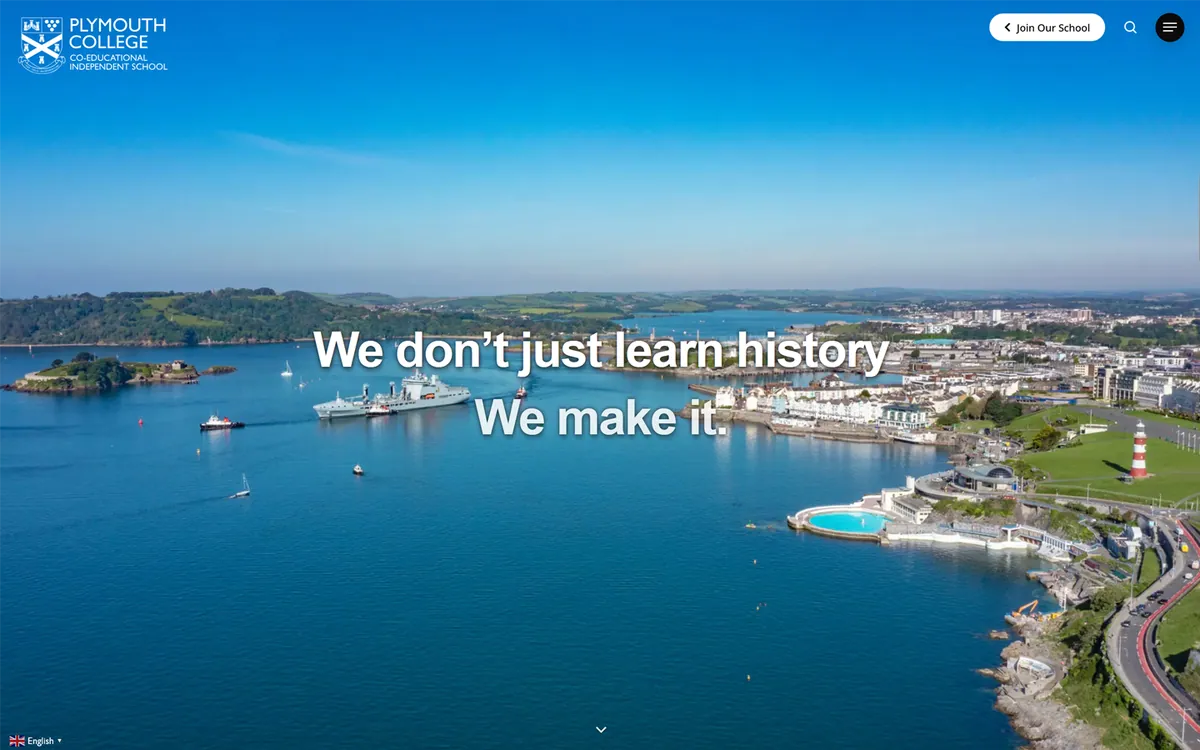
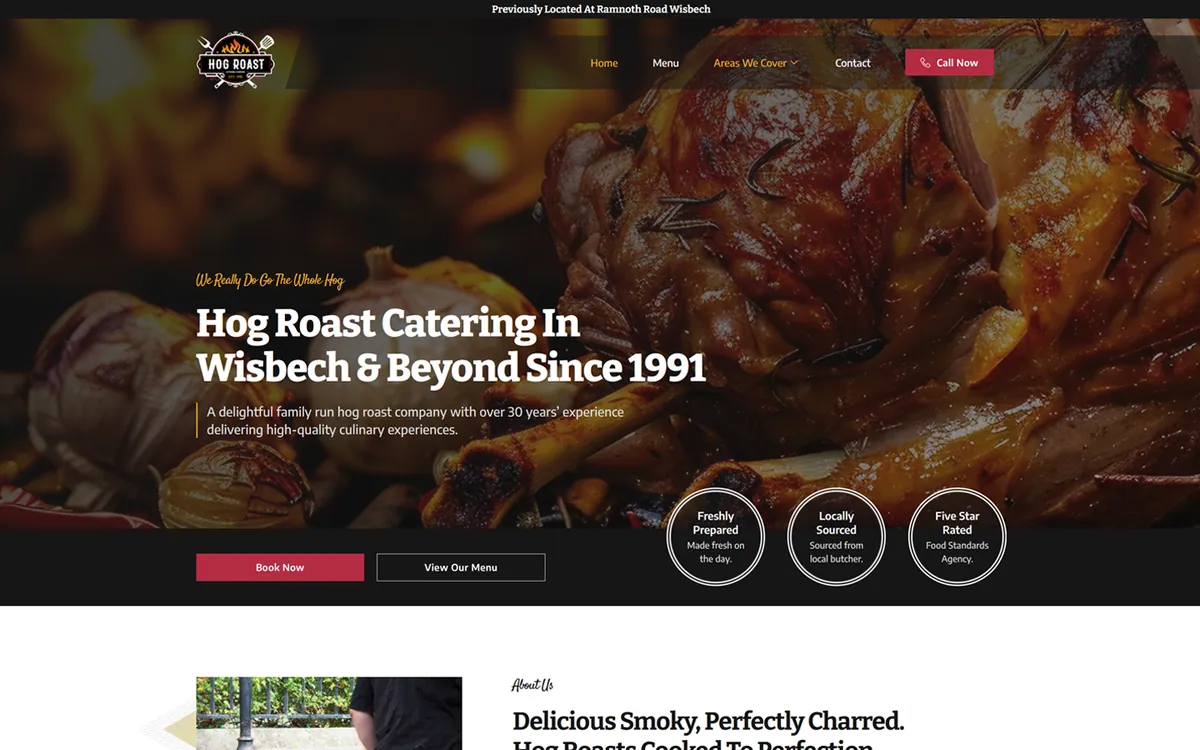
The Plymouth College rebuild shows the structure-first approach on a large site, and the Hog Roast Catering build shows it on a small one. If you are weighing up designers, the guide on twelve questions to ask a web designer is a fair place to start.

Often paired with.

Web design is the centre of what I do. These make the website work harder.

Ecommerce Websites

Online shops built to be found, trusted and bought from.

Learn more about ecommerce websites

SEO

Technical, on-page and local SEO so the right people find you first.

Learn more about seo

Ads Management

Google Ads campaigns and landing pages planned around enquiries, not clicks.

Learn more about ads management

Brand & Graphic Design

Logos, visual identity and graphics that look right on screen and in print.

Learn more about brand & graphic design

Copywriting

Clear website copy that answers the questions your customers are already asking.

Learn more about copywriting

Website Care

Updates, backups, monitoring and small changes, so the site keeps performing.

Learn more about website care

Web design questions, answered.

Let’s design your website.

Tell me about your business and what the site needs to do. A few lines is enough to start.

  1. 1
    You send a few lines.What the business does and what the website needs to do.
  2. 2
    I reply, personally.Usually the same day, with questions and a time for a call.
  3. 3
    You get a written proposal.Scope, stages and price for exactly that. No obligation, no hard sell.

Monday to Sunday, 9am to 9pm. You talk to me, not an account manager.

Your details are only used to reply to you. See the privacy notice.