Work
Websites with a job to do.
Every site in this web design portfolio was designed around a commercial goal, built to be fast, and measured after launch. Here is what each business needed, what I built and what changed.
Case studies.
Four recent projects, chosen from more than two hundred to show the range: a school, a comparison site, a caterer and a piece of custom software.
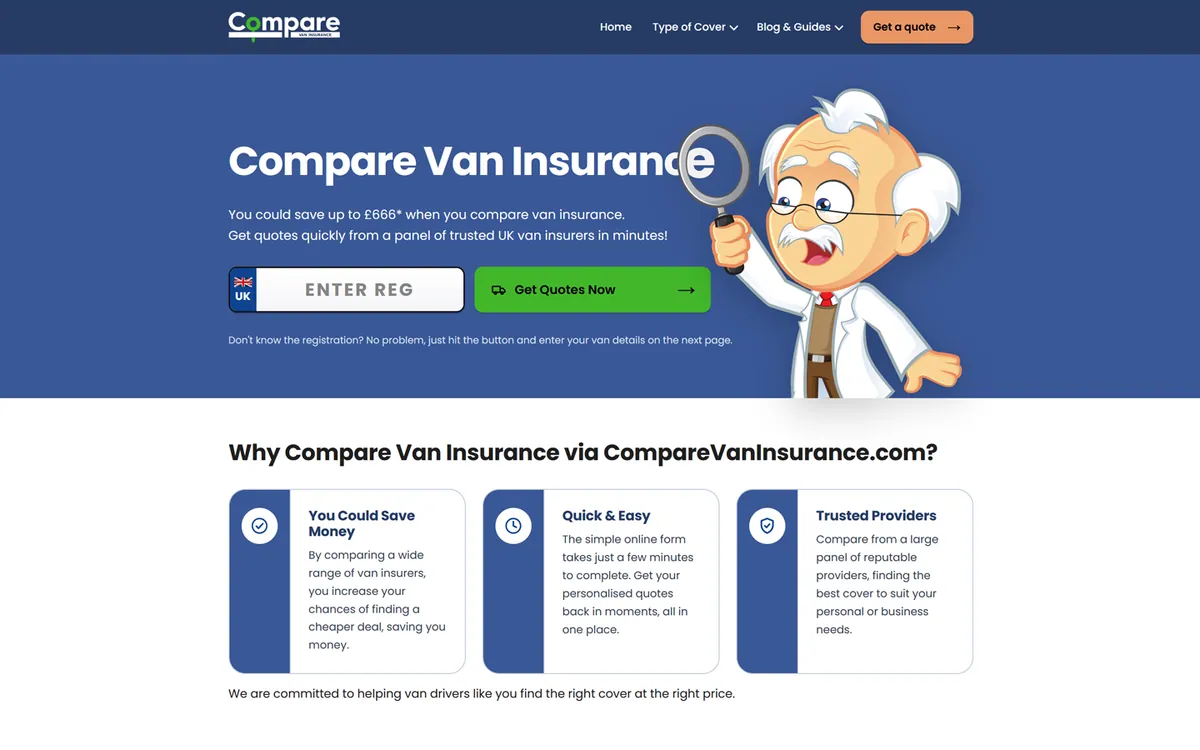
Compare Van Insurance
A hand-built comparison site engineered for speed, search and a frictionless quote journey.
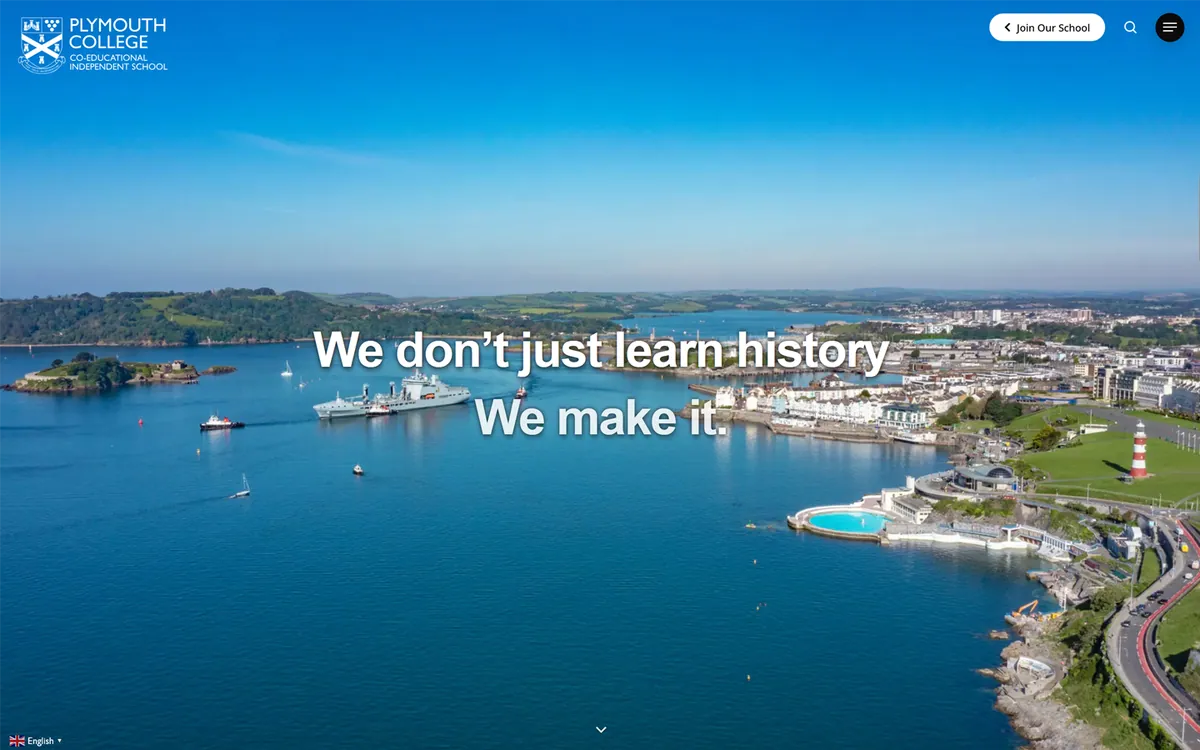
Plymouth College
An independent school website rebuilt on WordPress with the marketing team, with a GSAP-animated home page.
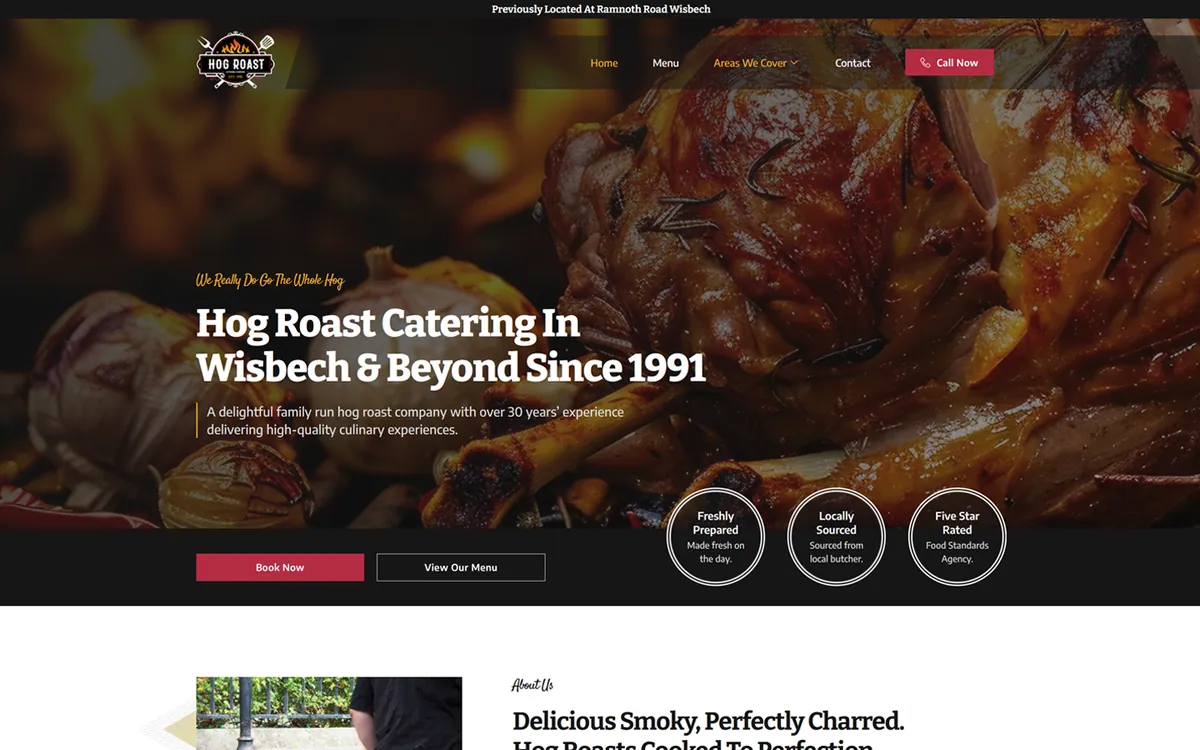
Hog Roast Catering
A family catering business given a WordPress site built to win event bookings across Cambridgeshire.
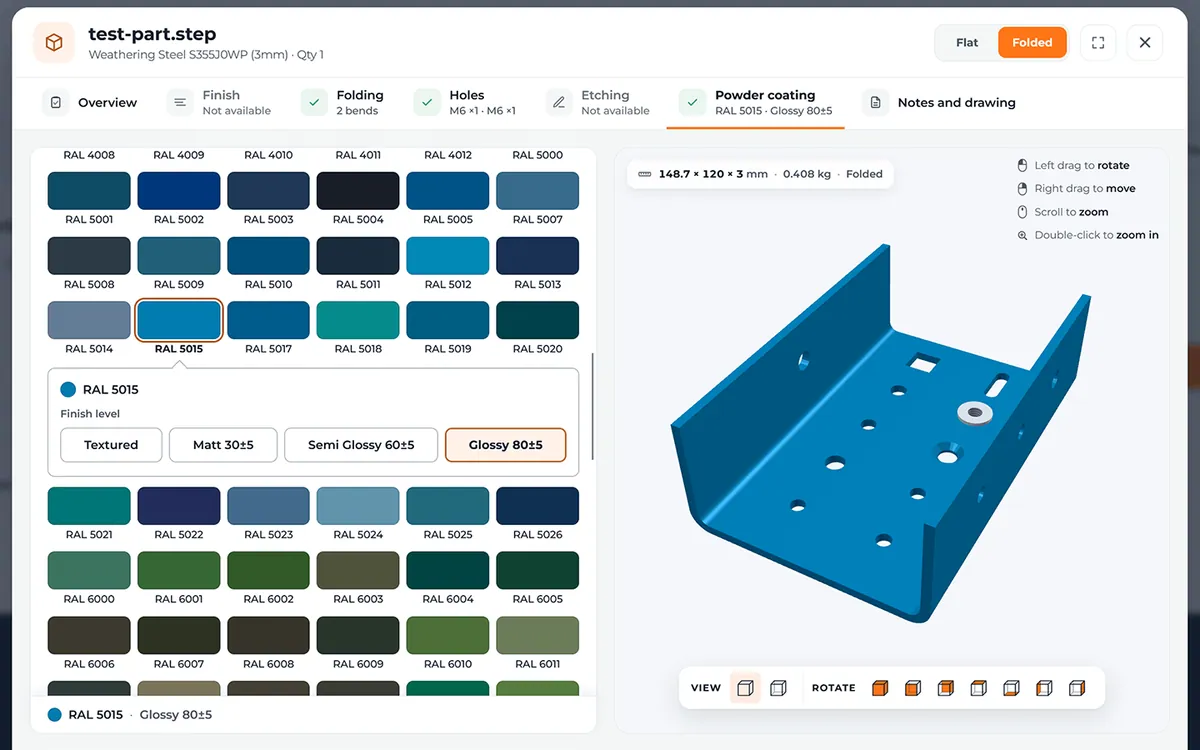
Quote & Cut
A WooCommerce plugin, cloud nesting engine and website that turn laser-cutting quotes into online orders.
Different businesses. Same commercial focus.
The sectors change. The question does not: where can the website make the biggest difference to the business?
This website is a case study too.
Everything I ask of a client’s site, this one has to do first.
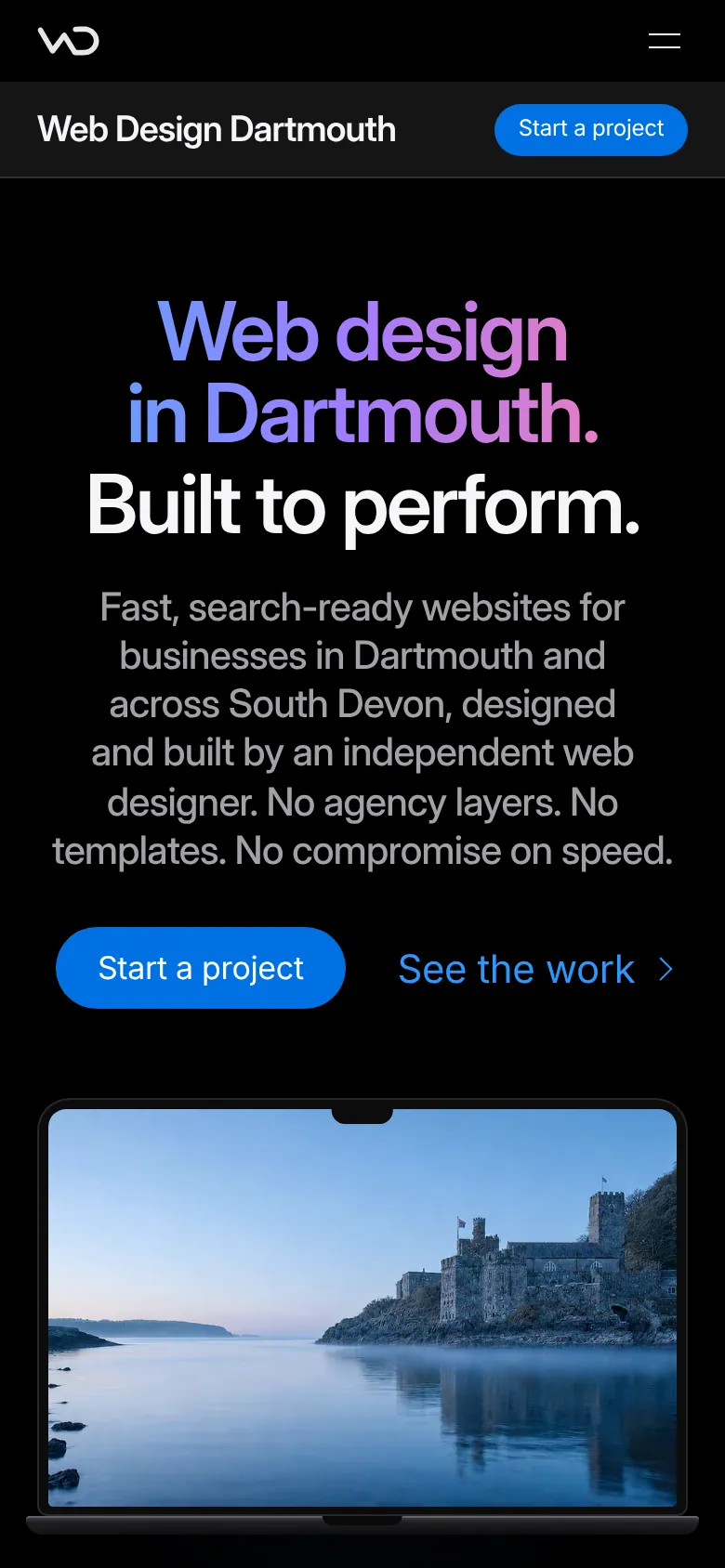
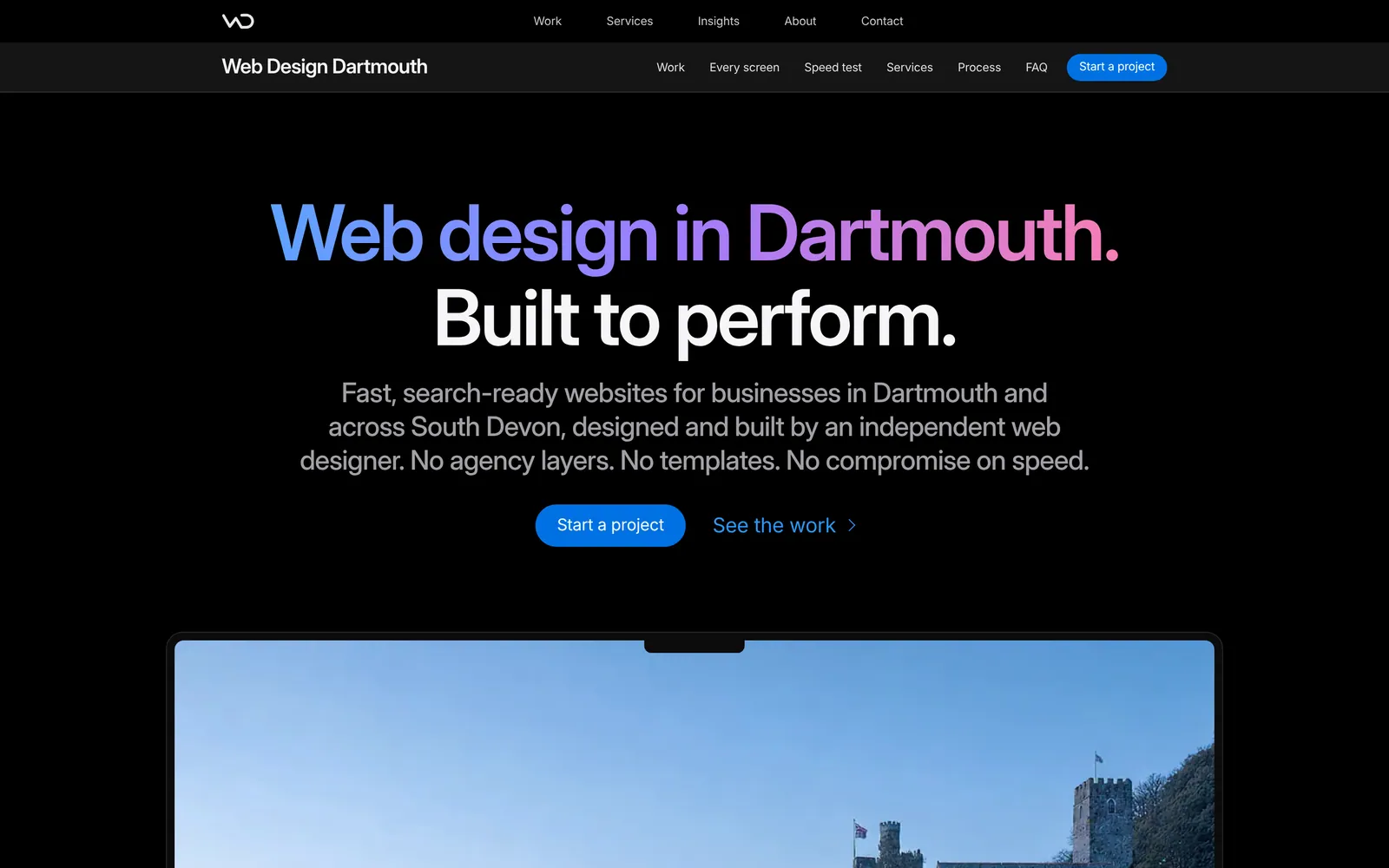
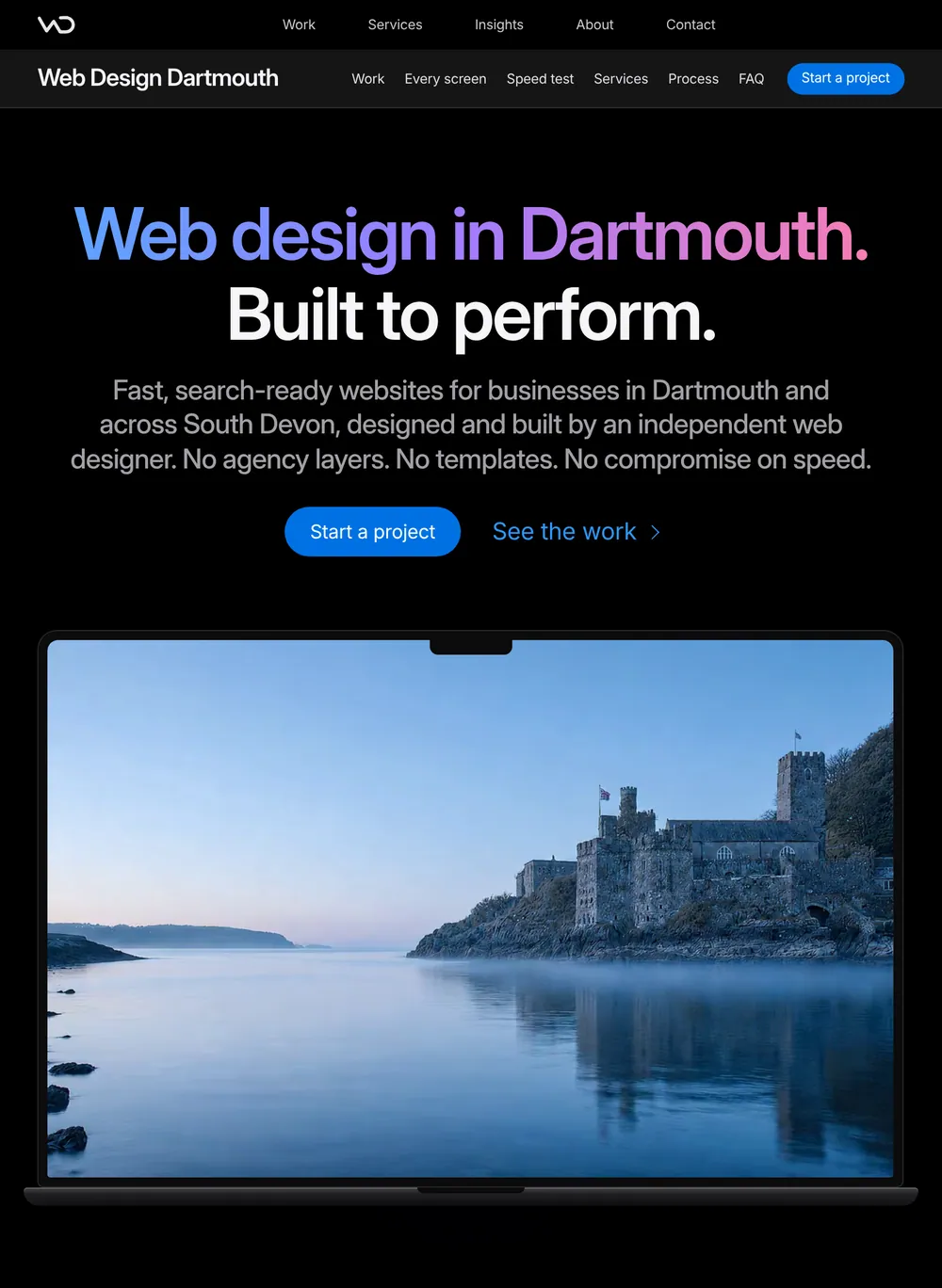
Hand-coded, with nothing it does not need. No page builder, no third-party scripts and no cookies unless you choose to allow analytics. Every image is served in the size and format each device wants, the fonts are subset and preloaded, and each page is built to score 100 across performance, accessibility, best practices and SEO.
The home page measures its own Core Web Vitals on your device as it loads, and the speed check runs Google’s own test on any site you enter. Measured, not promised is the standard every project is held to.
See it measure itselfWhat “working” means.
A website is judged by what it does for the business, so these are the numbers I watch after launch.
- Enquiries and bookingsForm submissions, calls and bookings, tracked so you know which pages and which searches produce them.
- Search visibilityRankings for the searches that matter locally, and the clicks they bring, from Google Search Console.
- SpeedCore Web Vitals and PageSpeed scores at launch and every month afterwards, because speed decays if nobody watches it.
- ConversionThe share of visitors who do the thing the page was built for, and what stops the rest.
- Content that earns its placeWhich guides, pages and products bring people in, and which need rewriting or removing.
- Cost per enquiryFor sites with ads running, what each enquiry actually costs, and how that moves as the site improves.
Questions about the work.
Yes. The case studies here are the ones that show the range of the work best, but there are many more sites behind them. Tell me what sector you are in and what you need the site to do, and I will send the examples that are closest to it.
Over 200 projects cover most of them: trades, hospitality, education, retail and ecommerce, professional services, charities, property, health and more. Sector experience helps, but what matters more is understanding how your customers decide, and that is the first thing I work out on every project.
Only with your permission. Some clients are happy for me to publish a case study with figures; others prefer to stay private, and that is always respected. Nothing appears here without the client agreeing to it first.
You do. The design, the content and the code are yours once the project is paid for, and the site lives in accounts in your name: the domain, the hosting and the platform. You are never tied to me.
Yes. Most clients are in South Devon, but the process works just as well by phone and video call. See the areas I cover.
Your project, next.
Tell me what the website needs to do for the business and I’ll tell you how I would approach it, with examples from the web design portfolio close to your sector.
- 1You send a few lines.What the business does and what the website needs to do.
- 2I reply, personally.Usually the same day, with questions and a time for a call.
- 3You get a written proposal.Scope, stages and price for exactly that. No obligation, no hard sell.
Monday to Sunday, 9am to 9pm. You talk to me, not an account manager.